
 by
by Cross-border tax issues have a way of looking manageable until someone starts asking the wrong question in the wrong jurisdiction. A person may own property abroad, hold an interest in a foreign company, receive income from another country, or move assets across borders without realizing that each of those facts can trigger an entirely different layer of U.S. and California tax analysis.
That is usually why someone starts searching for an international tax lawyer in the first place. By that point, the problem no longer feels like a routine filing matter. It feels like a situation where ordinary domestic tax advice may not be enough, because the consequences of getting it wrong can include reporting failures, structural inefficiencies, and penalties that far exceed what most people associate with a standard return.
Why “International” Changes the Entire Tax Problem
A general tax attorney typically works within a familiar domestic framework. That work often includes federal and state returns, deductions, audits, and business structures that exist entirely within the United States.
International tax work is different because it begins the moment income, assets, entities, or family members cross borders. Once that happens, the analysis may involve treaty interpretation, foreign tax credit calculations, anti-deferral regimes such as Subpart F, GILTI, and PFIC rules, foreign entity classification, transfer pricing, and a separate reporting structure that many otherwise capable domestic practitioners do not regularly handle.
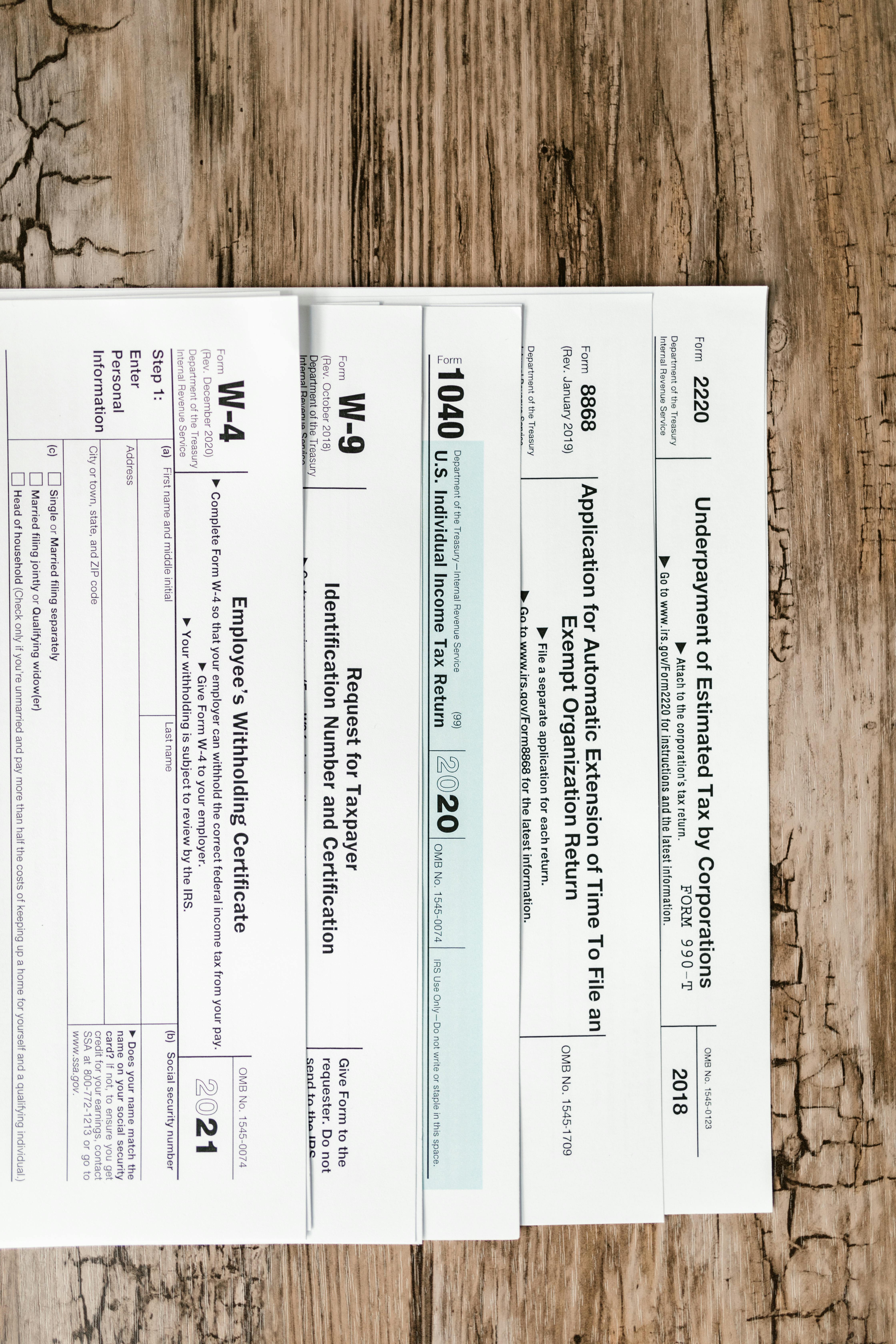
That reporting structure is one of the clearest signs that the issue has moved into specialized territory. FBAR, FATCA, Forms 5471, 8865, 8858, and 3520 are not just extra paperwork. They are part of a compliance framework with separate filing rules and independent penalty systems that can create severe exposure if even one piece falls through the cracks.
The penalty landscape is one reason people are right to take these issues seriously. A missed FBAR filing can lead to penalties starting at $10,000 per account per year for non-willful violations, and for willful violations the exposure can scale to the greater of $100,000 or 50 percent of the account balance. That is not the kind of risk most people associate with an ordinary tax oversight, which is exactly why the word international matters so much in this context.
Why San Diego Is a Logical Place for This Kind of Practice
San Diego is not an incidental location for international tax work. It sits at the center of a cross-border corridor that produces tax, reporting, and residency issues at a volume most cities in the United States do not regularly see.
The San Ysidro port of entry is the busiest land border crossing in the Western Hemisphere, and the relationship between San Diego and Tijuana creates a steady stream of binational families, dual residents, Mexican nationals with U.S. assets, and U.S. citizens with business or investment activity in Mexico. Each of those circumstances can create tax obligations that do not fit cleanly into a standard domestic framework.

San Diego also connects deeply to Pacific-facing industries. Its biotech, technology, and defense sectors continue to attract foreign investors, foreign nationals establishing U.S. businesses, and families investing in California real estate or supporting children attending school in the United States.
California adds another layer to all of this. The state taxes worldwide income of residents and applies its own rules on sourcing, residency, and entity classification, which means a structure that appears sensible from a federal international tax perspective may still create state-level complications that need to be evaluated separately.
What to Look for in the Attorney
The most important thing to look for is not simply familiarity with foreign accounts or overseas income. A real international tax practice should be able to evaluate a cross-border matter as a coordinated system, not as a series of disconnected filings.
Treaty fluency is one of the clearest dividing lines. The United States has income tax treaties with dozens of countries, but those treaties do not operate the same way from one country to the next, and they do not override domestic law in a simple or automatic way. An international tax attorney should understand which treaties may apply, how they interact with federal law, how California complicates the analysis, and when a treaty position needs to be disclosed on a return.
Reporting infrastructure is another major point. Many cross-border problems do not begin with an audit. They begin when a taxpayer did not realize that a foreign corporation, foreign partnership, foreign trust, foreign account, or foreign disregarded entity carried its own filing obligation separate from the main return.
That means the attorney should be able to identify which forms apply to a particular fact pattern and build a process that keeps those obligations from being treated as afterthoughts. The issue is not just technical knowledge. It is the ability to keep an entire reporting system organized so that one missed filing does not undermine the rest of the work.
Entity structuring is equally important. How a foreign entity is classified for U.S. tax purposes can determine how income is taxed, how reporting works, and what ongoing compliance burden the client inherits. The check-the-box rules create some flexibility, but flexibility only helps when the lawyer understands the consequences of the election before it is made.
Cross-border estate planning should also be part of the conversation when family wealth spans jurisdictions. Non-resident non-citizens face a U.S. estate tax exemption of only $60,000, compared to $13.61 million for U.S. citizens, which means even relatively modest U.S. real estate holdings can create estate exposure that surprises families who assumed the numbers would work the same way for everyone.
Coordination with international tax counsel may be the most overlooked quality of all. International tax planning rarely succeeds in isolation, because a structure that looks efficient from a U.S. perspective may create tax, corporate, or succession problems abroad if no one is evaluating both sides together.
When Timing Makes the Difference
Many people wait to seek international tax counsel until they are already reacting to a problem. By then, the question is often no longer how to structure the matter well, but how to limit the damage created by a structure that was never fully reviewed.
The better time to get advice is usually before a major trigger event occurs. That can mean before acquiring or selling assets in a foreign country, before establishing or restructuring a foreign business, before receiving an inheritance involving foreign assets or beneficiaries, before relocating to or from the United States, before investing in U.S. real estate as a non-resident, or before renouncing U.S. citizenship or permanent residency.
The same is true when a client has received notice of penalties tied to unfiled foreign information returns or when an old cross-border structure has not been reviewed in years. Laws change, reporting regimes evolve, and a plan that worked efficiently five years ago may now be carrying unnecessary cost or risk.
This is where a firm like Hone Maxwell becomes relevant. Once a matter involves cross-border reporting, treaty analysis, entity classification, estate exposure, and foreign coordination all at once, the real value often comes from having counsel that treats the issue as a single strategy problem rather than as a stack of unrelated filings.
Hone Maxwell approaches international tax issues from that wider perspective. The firm’s work in cross-border planning and global asset management is designed to address the tax problem in context, meaning the U.S. return, the foreign structure, the family or business objective, and the practical coordination issues are evaluated together rather than in isolation.
That matters because many international tax problems are not caused by one dramatic mistake. They are caused by small mismatches between jurisdictions, advisors, and reporting assumptions that build over time until the client is carrying far more exposure than expected.
A Better Starting Point for Cross-Border Tax Questions
Someone looking for an international tax lawyer in San Diego is usually not overreacting. In most cases, that instinct reflects an accurate understanding that international facts create a fundamentally different level of complexity, and that ordinary domestic tax handling may not be built for the reporting, structuring, and coordination issues involved.
The right lawyer should be able to see the full shape of that problem, not just one filing deadline inside it. For readers dealing with foreign assets, cross-border structures, residency issues, or international reporting exposure, speaking with Hone Maxwell early can help turn a scattered international tax problem into a coordinated plan before the consequences become more expensive than they need to be.
Hone Maxwell, LLP
+16199804476
3465 Camino del Rio S, San Diego, CA 92108


